
How Ribolytix Began
“I first used this technique to solve a biology puzzle in the lab. When it worked, I realized it could transform drug discovery and development for many diseases.”
While studying how mRNAs localize to and are translated at the endoplasmic reticulum—a major hub of cellular protein synthesis—we encountered a growing disconnect between large-scale RBP discovery datasets and biological reality. Omics-level approaches were reporting hundreds of candidate RNA-binding proteins associated with the ER, yet many of these proteins resided in compartments thought to be devoid of RNA, or had well-established functions unrelated to RNA binding. This raised a fundamental question: which of these interactions were real, and which were artifacts of the measurement?
Addressing that question required more than annotation or follow-up experiments—it required a new way to directly measure RNA–protein interactions as they exist inside living cells. That need led to the development of the LEAP-RBP approach, enabling selective isolation and quantitative analysis of endogenous RNA-bound proteins under native conditions. What began as a tool to resolve a basic biological ambiguity quickly revealed a broader gap: many RNA-/RBP-targeted drug programs advance without clear evidence that compounds engage their intended targets selectively in cells.
Ribolytix was formed to close that gap—translating a rigorously validated academic method into a focused platform designed to support decision-making in RNA- and RBP-targeted drug discovery.
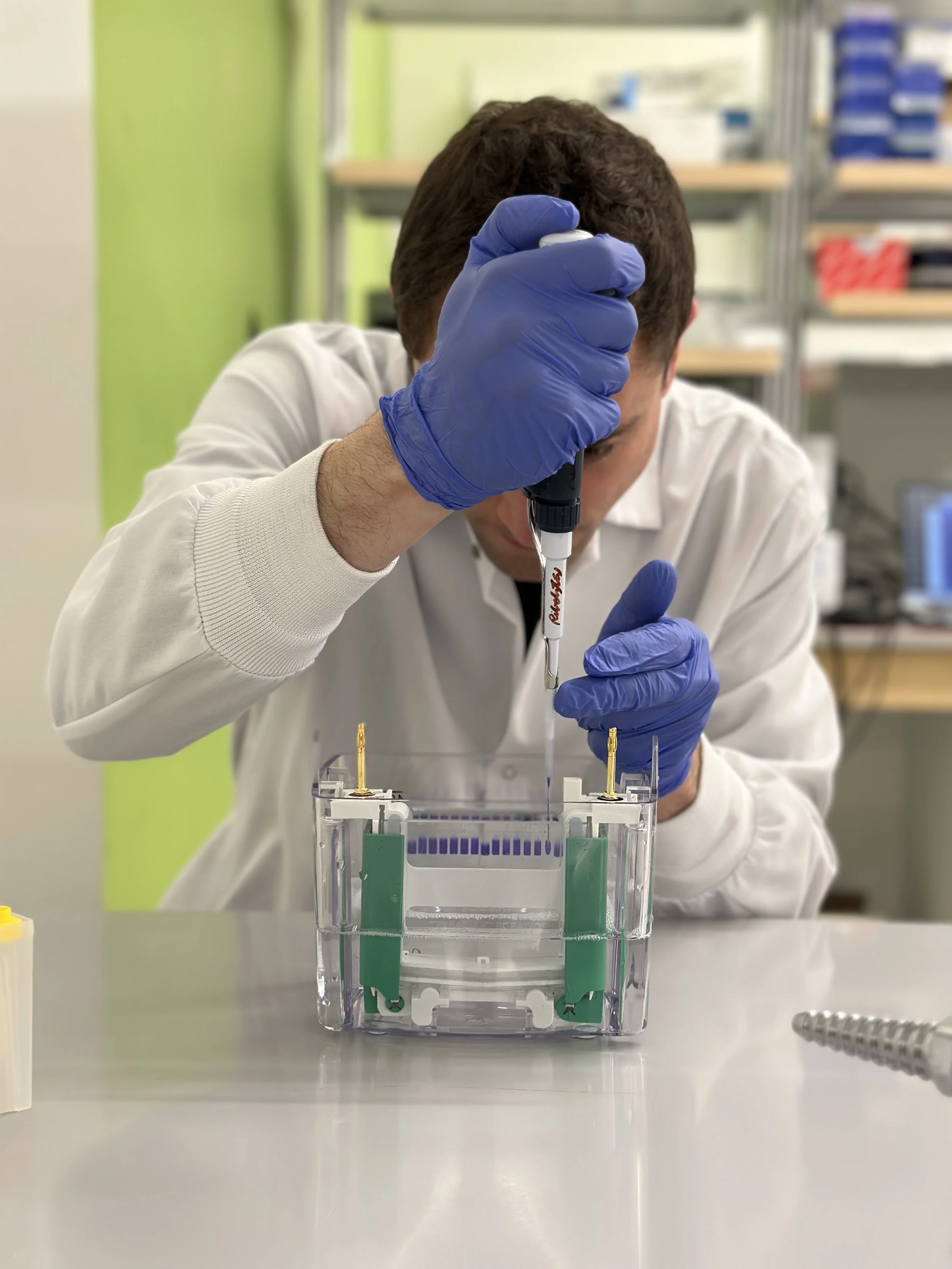
Read the original study introducing the approach and that lead to the founding of Ribolytix: Nature Communications, 2023.